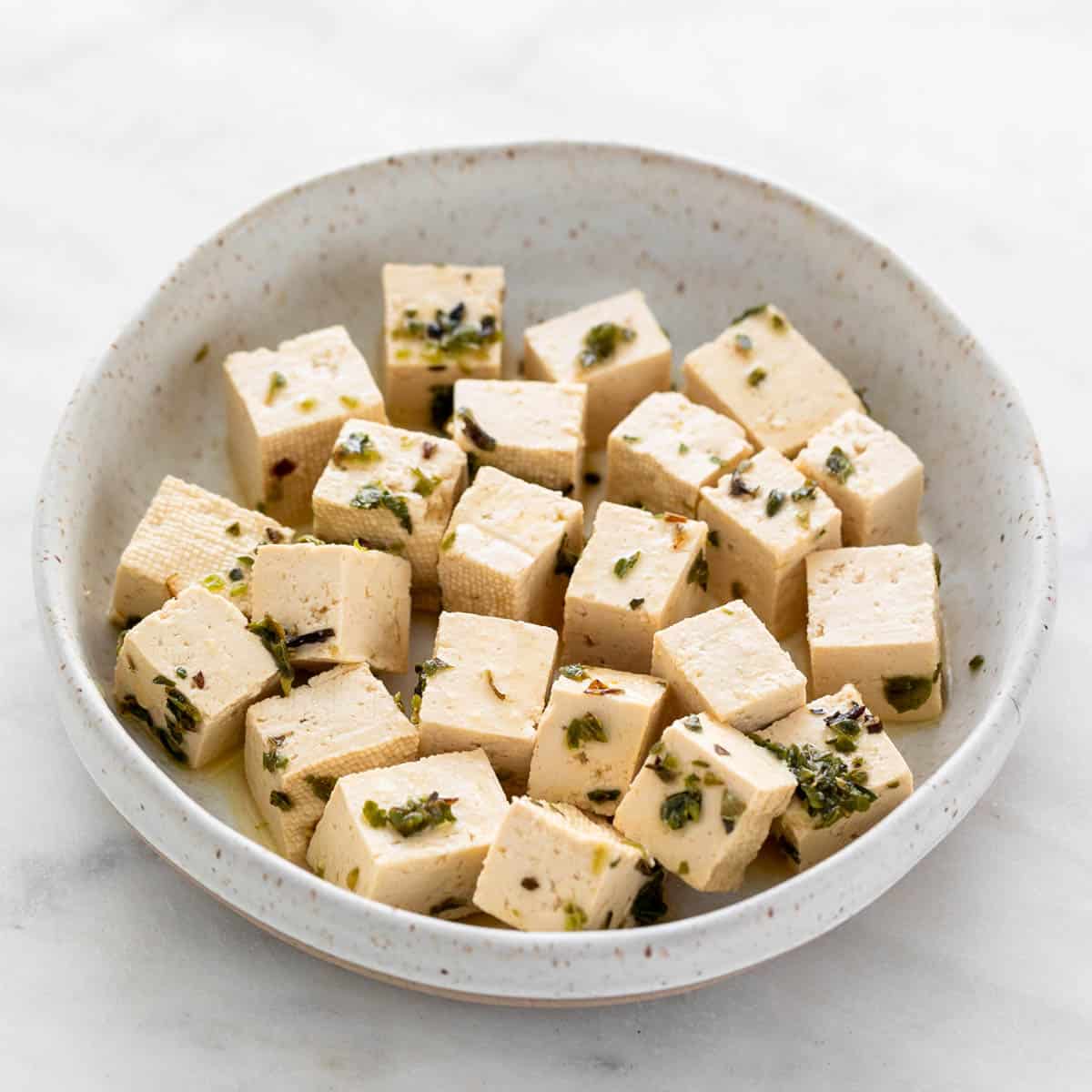
Tofu vs. Cashew: Finding Your Perfect Crumbly Vegan Feta
As the world embraces more plant-based eating, the quest for delicious, dairy-free alternatives to beloved classics intensifies. Among the most sought-after is feta cheese – that wonderfully tangy, salty, and crumbly addition that elevates everything from salads to pasta dishes. While store shelves now boast an array of vegan options, many home cooks are discovering the unparalleled satisfaction and superior taste of a homemade version. When it comes to crafting your own simple vegan feta cheese, two stars shine brightest: tofu and cashews. Each offers a unique path to a remarkably authentic experience, delivering that coveted crumbly texture and briny flavor without any dairy. This article will guide you through the distinct characteristics of tofu-based and cashew-based vegan feta, helping you decide which is your ideal match for finding your perfect crumbly vegan feta.
The Allure of Homemade Vegan Feta: Why DIY is the Way to Go
Before we delve into the specifics of tofu versus cashew, let’s pause to appreciate why making your own vegan feta at home is such a game-changer. Beyond the sheer joy of culinary creation, homemade simple vegan feta cheese offers a multitude of benefits:
- Customization: You control every ingredient, from the type of salt to the specific herbs, allowing you to tailor the flavor profile precisely to your palate.
- Freshness and Quality: Skip the preservatives and artificial additives often found in commercial products. Your homemade dairy-free feta is made with fresh, wholesome ingredients.
- Cost-Effectiveness: A block of tofu or a bag of cashews, combined with pantry staples, is generally far more economical than buying specialty vegan cheeses.
- Accessibility: No more searching for that obscure brand in a niche health food store. With a few common ingredients, you can whip up delicious plant-based feta whenever the craving strikes.
- Endless Versatility: Once you master your simple vegan feta cheese, its culinary applications are limitless. Sprinkle it generously over crisp Greek salads, toss it into warm Mediterranean pasta dishes, crumble it onto homemade pizzas, or stuff it into roasted bell peppers. It's fantastic in sandwiches, wraps, grain bowls, and even as part of a vibrant mezze platter. The possibilities truly are divine!
With homemade vegan feta, you're not just making food; you're crafting a versatile staple that will transform your plant-based meals.
Tofu-Based Vegan Feta: The Quick & Tangy Classic
For many embarking on their homemade vegan cheese journey, tofu is the natural starting point. Readily available, affordable, and incredibly versatile, tofu provides an excellent neutral canvas for absorbing vibrant flavors.
Key Characteristics of Tofu Feta:
- Texture: A well-made tofu feta is delightfully crumbly, firm, and holds its shape beautifully. It offers a satisfying bite, though it tends to be less creamy than its cashew counterpart. Achieving the right texture often involves pressing the tofu to remove excess water, which allows it to soak up the marinade more effectively and become firmer.
- Flavor Profile: The magic of tofu feta lies entirely in its marinade. Typically, this brine includes a potent combination of apple cider vinegar or white vinegar for tang, fresh lemon juice for brightness, sea salt for salinity, and often nutritional yeast for a cheesy depth. Dried herbs like oregano or fresh dill are common additions, evoking the quintessential Mediterranean flavors of traditional feta.
- Ease of Preparation: This is where tofu often shines for its straightforward process. After pressing the tofu, it's usually cut into cubes or crumbled, then simply submerged in the flavor-packed brine. The active preparation time is minimal, though it benefits greatly from a good soak in the marinade – ideally several hours or even overnight – allowing the flavors to fully penetrate. This makes it an incredibly simple vegan feta cheese option for weeknight meals.
Pros of Tofu Feta:
- Nutritionally Favorable: Tofu is an excellent source of plant-based protein, generally lower in fat and calories compared to nut-based cheeses, making it a lighter option.
- Allergen-Friendly: For those with nut allergies, tofu provides a fantastic alternative, allowing them to enjoy delicious dairy-free feta without worry (provided there's no soy allergy).
- Cost-Effective: Tofu is typically very inexpensive, making this a budget-friendly way to enjoy homemade vegan cheese.
- Quick Absorption: Tofu's porous nature means it readily takes on the flavors of its marinade, offering a quick path to a flavorful product.
Cons of Tofu Feta:
- Can Lack Creaminess: While crumbly, it might not always achieve the rich, melt-in-your-mouth creaminess of dairy feta or cashew-based versions.
- Requires Pressing: The extra step of pressing tofu is crucial for texture but adds to the overall preparation time, even if it's mostly passive.
- Flavor Dependent: Its inherent neutrality means the quality of your feta is entirely dependent on the strength and balance of your marinade. Some recipes that don't quite hit the mark can feel like "glorified blocks of marinated tofu."
Tip for Tofu Feta: Don't skimp on pressing the tofu! This is the most important step for achieving that signature crumbly, firm texture. A tofu press works best, but you can also use paper towels and heavy objects. Also, let it marinate for as long as possible – overnight is truly best for deep flavor.
Cashew-Based Vegan Feta: Creamy, Crumbly, & Indulgently Rich
If your goal is to replicate the rich mouthfeel and deeply complex flavor of traditional feta, cashews are your secret weapon. Their high fat content and naturally creamy texture when blended make them an unparalleled base for gourmet dairy-free cheeses.
Key Characteristics of Cashew Feta:
- Texture: This is where cashew feta truly shines. When prepared correctly, it delivers an incredibly rich, creamy mouthfeel combined with a satisfying, almost melt-in-your-mouth crumble. Blending soaked cashews just until coarse creates that perfect crumbly texture that feels surprisingly close to the real thing.
- Flavor Profile: Cashew feta often boasts a more sophisticated and layered flavor. Beyond the standard vinegar, lemon, and salt, many recipes incorporate unique elements like olive brine for an authentic briny kick, or even specific gelling agents (like agar-agar) to help create structure and an even firmer set, mimicking the classic cheese. The natural sweetness of cashews also provides a subtle backdrop that beautifully balances the sharp, tangy, and salty notes.
- Ease of Preparation: While cashews require a preliminary soak (either overnight in cold water or a quick 5-10 minute soak in boiling water), the active blending time is often remarkably fast – sometimes as little as 5 minutes! The ingredients are typically combined in a high-powered blender and pulsed until the desired consistency is reached. This makes it a surprisingly simple vegan feta cheese, despite its luxurious results. For an in-depth guide on perfecting this method, check out our article: Beyond Tofu: Master Rich, Crumbly Cashew Vegan Feta at Home.
Pros of Cashew Feta:
- Authentic Texture: It provides the closest mimicry to dairy feta's creamy yet crumbly texture, often feeling "the real deal."
- Rich Flavor: The high fat content of cashews allows for a deeper, more indulgent, and complex flavor profile that can be incredibly satisfying.
- Versatility: Excellent for both simple crumbling over salads and for more sophisticated applications like cheese boards, where its texture and flavor can truly shine.
- Quick Active Prep: Once cashews are soaked, the blending process is very fast.
Cons of Cashew Feta:
- Higher Fat & Calories: Due to the healthy fats in cashews, this option is richer and more calorie-dense, which may be a consideration for some.
- Nut Allergen: Not suitable for individuals with tree nut allergies.
- More Expensive: Raw cashews are generally more costly than a block of tofu.
- Equipment Dependant: A good quality, high-powered blender is recommended for the smoothest, creamiest results.
Tip for Cashew Feta: Don't over-blend if you want a crumbly texture! Pulse just until a coarse, crumbly consistency is achieved. If you want a smoother, spreadable feta, then blend until perfectly smooth. Also, a quick hot soak can significantly reduce the prep time without sacrificing texture.
Making Your Choice: Tofu or Cashew for Your Simple Vegan Feta Cheese?
Deciding between tofu and cashew for your homemade simple vegan feta cheese ultimately comes down to your personal preferences, dietary needs, and desired outcome.
Consider these factors:
- Texture Preference: If you prefer a firmer, lighter crumble, tofu is excellent. If you crave a rich, creamy, deeply authentic mouthfeel with a satisfying crumble, cashews are superior.
- Flavor Depth: Tofu feta offers a clean, tangy flavor that is directly influenced by its marinade. Cashew feta provides a richer base that can support more complex and nuanced briny flavors, often achieving a closer resemblance to traditional dairy feta.
- Nutritional Goals: For a higher-protein, lower-fat option, tofu is the clear winner. If you're looking for a more indulgent, satisfying cheese and aren't concerned about fat content, cashews deliver.
- Allergies: If you have a nut allergy, tofu is your go-to. If you have a soy allergy, cashews provide a fantastic alternative.
- Budget: Tofu offers a more economical path to homemade vegan feta. Cashews, while delicious, represent a slightly higher investment.
- Time & Equipment: Both methods can be quick, especially if you opt for a rapid soak for cashews. A high-powered blender is beneficial for cashew feta, while tofu feta is less demanding on equipment beyond a press.
Both options deliver a delicious dairy-free feta that will elevate your meals. Many vegan cooks even keep both types on hand, choosing based on the dish or their mood. If you're looking for a quick and easy recipe that highlights the versatility of this dairy-free staple, check out our
Minute Vegan Feta Recipe: Your Versatile & Dairy-Free Staple, which can be adapted for either base!
Elevate Your Vegan Feta: Beyond the Basics
No matter which base you choose, there are countless ways to customize and serve your homemade simple vegan feta cheese:
- Serving Suggestions:
- Salads: The classic choice! Think Greek salads with cucumbers, tomatoes, olives, and red onion; or a refreshing watermelon and mint salad.
- Pasta: Crumble over warm pasta dishes with roasted vegetables, or mix into a cold pasta salad.
- Pizzas & Flatbreads: A fantastic topping for a gourmet touch.
- Roasted Vegetables: Sprinkle over roasted bell peppers, zucchini, eggplant, or asparagus for a burst of flavor.
- Spreads & Dips: Blend smoother for a creamy dip or spread for crackers and bread.
- Mezze Platters: Serve alongside olives, hummus, pita bread, and fresh vegetables for an impressive appetizer.
- Storage Tips: Store your homemade vegan feta in an airtight container in the refrigerator, preferably submerged in its brine or a fresh olive oil brine. This helps it retain moisture and flavor. It typically lasts for 5-7 days.
- Customization Ideas:
- Herbs: Experiment with fresh dill, parsley, mint, or thyme.
- Spices: Add a pinch of smoked paprika for depth, red pepper flakes for heat, or garlic powder for an extra savory kick.
- Vinegars: Try different vinegars like red wine vinegar or rice vinegar for varied tanginess.
- Citrus: A touch of orange zest can add a surprising brightness.
Conclusion
The journey to finding your perfect crumbly vegan feta is an exciting one, filled with delicious possibilities. Whether you lean towards the economical and firm simplicity of tofu, or the rich, creamy, and complex indulgence of cashews, both bases offer incredible potential for crafting a truly satisfying dairy-free cheese at home. By understanding their unique characteristics, you can confidently choose the path that best aligns with your taste, dietary needs, and culinary aspirations. So, roll up your sleeves, embrace the joy of DIY, and get ready to elevate your plant-based meals with your very own homemade simple vegan feta cheese. The only limit is your imagination!